

Key Takeaways
- Hospital readmissions often occur when seniors lack consistent support after returning home.
- In-home care supports post-hospital recovery through daily monitoring, routine reinforcement, and safety oversight.
- Caregivers help manage chronic conditions and medications to prevent complications.
- Personalized care plans reduce confusion, stress, and avoidable health setbacks.
- Gallagher Home Care Services is a trusted provider of in-home care services for seniors across Western Pennsylvania. Schedule a free in-home evaluation to support a safer transition from hospital to home.
Why Hospital Readmissions Are a Concern for Seniors
For many older adults, the period immediately following hospital discharge is one of the most vulnerable times in recovery. Seniors often return home with new medications, follow-up appointments, physical limitations, and complex care instructions. Without consistent support, small challenges can quickly escalate into medical emergencies that result in hospital readmission.
In-home care plays a vital role in bridging the gap between hospital care and daily life. By providing reliable assistance, monitoring, and personalized routines, home care services for seniors help reduce preventable complications and promote long-term recovery at home.
The Role of In-Home Care in Post-Hospital Recovery
Hospital care focuses on treating immediate medical issues, but recovery does not end at discharge. What happens at home often determines whether a senior heals safely or experiences setbacks.
How In-Home Care Supports Recovery
- Reinforces discharge instructions in a practical, daily way
- Encourages rest, hydration, and proper nutrition
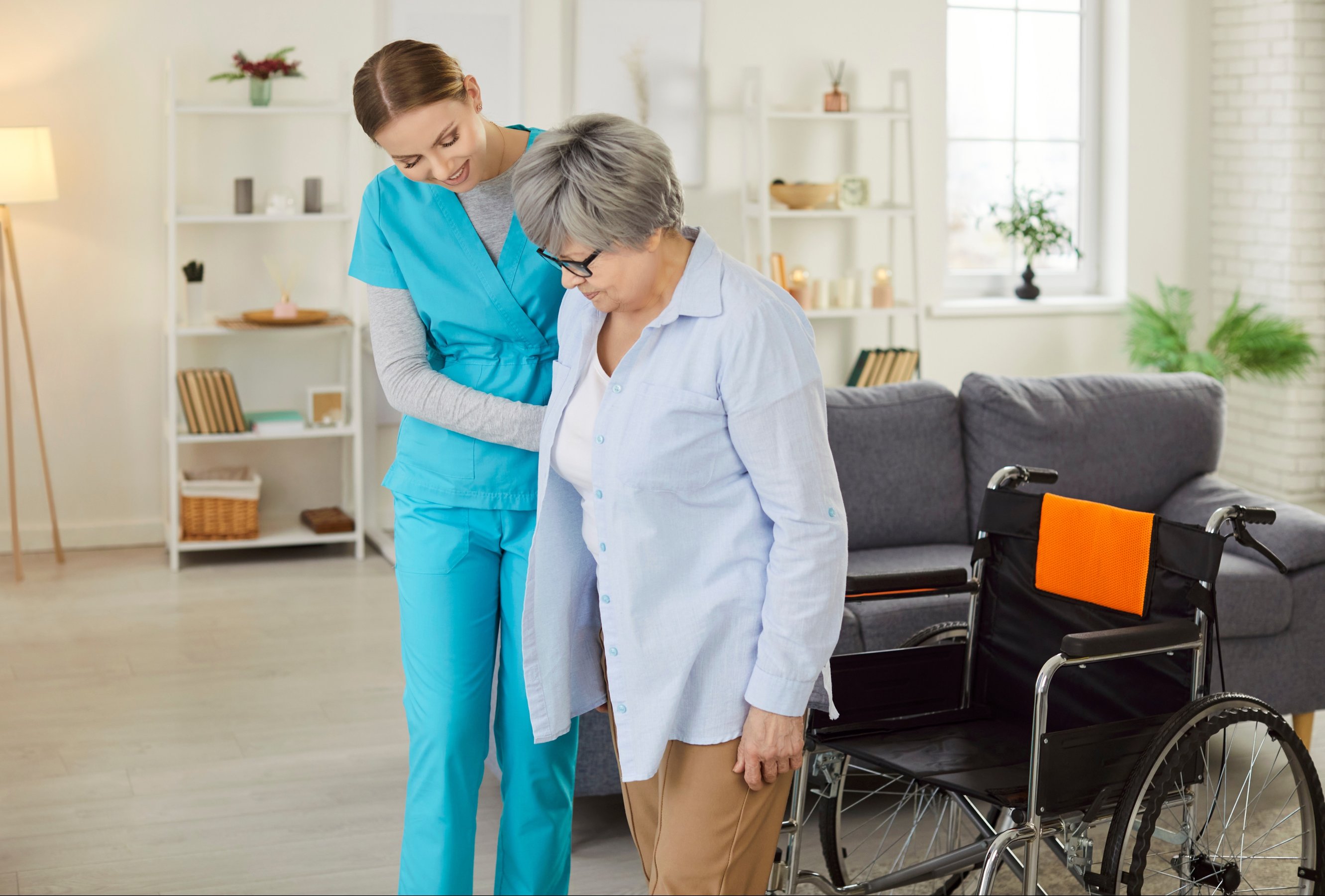
- Provides assistance with mobility and daily activities
- Monitors changes in condition that may require attention
Caregivers help seniors regain stability by creating structure during a time when routines may feel overwhelming. This consistent presence reduces stress for both seniors and their families.
How Caregivers Help Manage Chronic Conditions and Medications
Many hospital readmissions are linked to unmanaged chronic conditions or medication-related issues. Seniors often take multiple prescriptions, increasing the risk of missed doses, incorrect timing, or confusion.
Medication Support at Home
In-home caregivers assist with:
- Medication reminders
- Observing side effects or changes in response
- Ensuring prescriptions are taken as directed
- Communicating concerns to family members when needed
Medication reminders alone can significantly reduce avoidable complications that lead to emergency care.
Chronic Condition Support
Caregivers also help seniors manage ongoing conditions such as heart disease, diabetes, arthritis, and mobility limitations by:
- Encouraging consistent routines
- Supporting nutrition and hydration
- Monitoring physical and emotional changes
- Assisting with safe movement and daily tasks
This level of daily oversight helps prevent small issues from becoming serious health events.
Preventing Complications Through Regular Monitoring and Support
After hospitalization, seniors may not immediately recognize early warning signs of complications. Fatigue, dizziness, appetite changes, or confusion can be easy to overlook without support.
How In-Home Monitoring Reduces Readmissions
- Caregivers notice subtle changes in behavior or condition
- Safety risks, such as falls, are reduced through supervision
- Daily check-ins promote early intervention
- Emotional reassurance lowers stress, which supports healing
Hospital Care vs. In-Home Recovery Support
| Hospital Focus | In-Home Care Focus |
|---|---|
| Acute medical treatment | Daily recovery support |
| Short-term monitoring | Ongoing observation |
| Clinical environment | Comfortable home setting |
| Limited time per patient | Personalized attention |
By extending care into the home, seniors benefit from continuity that hospitals cannot provide alone.
The Importance of Personalized Care in Reducing Readmissions
No two seniors recover in the same way. A one-size-fits-all approach often leaves gaps in care that increase readmission risk.
Why Personalized Care Plans Matter
A customized care plan for elderly adults ensures that support matches individual needs, preferences, and recovery goals. Personalized plans may include:
- Assistance with daily activities
- Medication reminders
- Companion care for emotional support
- Light housekeeping to maintain a safe environment
- Respite support for family caregivers
Understanding how to create a care plan that adapts as recovery progresses is essential to preventing setbacks. Professional in-home care providers evaluate needs and adjust services as conditions change.
Local In-Home Care Services Available for Seniors
Access to reliable, local care makes a meaningful difference during recovery. Families searching for in-home care services near me often want reassurance that help is available when it matters most.
Gallagher Home Care Services provides personalized in-home care services for seniors throughout Western Pennsylvania. With experienced caregivers and 24/7 phone support, seniors and families receive consistent guidance during critical recovery periods.
Services that support readmission prevention include:
- Elderly in-home care
- Companion care services
- Respite caregiver support
- Customized senior care plans
Local care ensures familiarity, responsiveness, and continuity, key elements in reducing hospital readmissions.
Understanding What Home Care Is and How It Helps
For families new to recovery planning, understanding what home care is can clarify why it plays such a vital role after hospitalization.
Home care focuses on non-institutional support that helps seniors remain safe, comfortable, and independent at home. Rather than replacing medical providers, in-home care complements clinical treatment by supporting daily needs that influence recovery outcomes.
Supporting a Smoother Transition From Hospital to Home
The transition home after a hospital stay is often overwhelming for seniors and caregivers alike. In-home care helps transform discharge instructions into manageable daily routines that support healing.
With personalized support, seniors experience:
- Fewer complications
- Reduced emergency visits
- Increased confidence at home
- Improved quality of life
Families gain peace of mind knowing their loved one is not navigating recovery alone.
Because Healing Is Better When Support Continues at Home
Hospital readmissions are not always unavoidable—but many can be reduced with consistent, personalized support at home. In-home care strengthens recovery by managing daily routines, monitoring health changes, and addressing challenges early.
To support a safer transition from hospital to home, schedule a free in-home evaluation with Gallagher Home Care Services. Their compassionate senior care services are designed to reduce readmission risk while helping seniors recover with dignity and confidence.
Frequently Asked Questions
What causes hospital readmissions for seniors?
Common causes include medication errors, unmanaged chronic conditions, lack of follow-up support, falls, and confusion after discharge.
How does in-home care reduce hospital readmissions?
In-home care provides daily monitoring, medication reminders, personalized routines, and early identification of health concerns.
What is included in a senior care plan?
A care plan may include assistance with daily activities, medication reminders, companion care, safety monitoring, and respite support for family caregivers.
When should families consider in-home care after hospitalization?
In-home care is beneficial immediately after discharge, especially when seniors need support managing medications, mobility, or daily routines.
Are in-home care services available locally?
Yes. Local providers like Gallagher Home Care Services offer personalized in-home care services for seniors across Western Pennsylvania.
